
Warehouse Automation Accelerates in Europe
European logistics operators are investing billions in warehouse automation technologies, deploying robots, AI-driven sorting systems, and autonomous vehicles to meet the demands of e-commerce growth and labor shortages.
The Automation Imperative
European warehousing is undergoing a dramatic transformation as logistics operators race to deploy automation technologies in response to surging e-commerce demand and persistent labor shortages. Investment in warehouse robotics, automated storage and retrieval systems, and AI-powered sorting technology across Europe is projected to exceed €15 billion by 2020, fundamentally changing how goods are stored, picked, and shipped.
Robotic Solutions
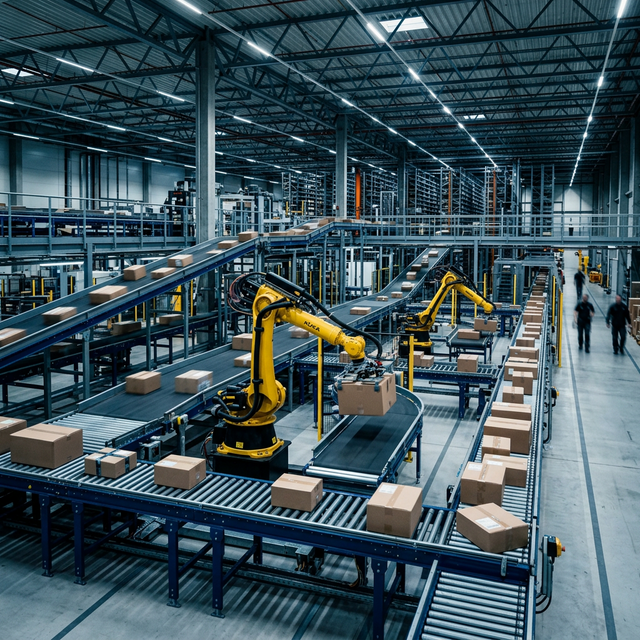
Advanced robotic systems are being deployed across European distribution centers to handle increasingly complex fulfillment operations. Collaborative robots (cobots) work alongside human operators to increase picking speed and accuracy, while autonomous mobile robots navigate warehouse floors to transport goods between zones. Advanced vision systems enable robots to handle items of varying sizes and shapes, expanding the range of products that can be processed automatically.
Artificial Intelligence in Warehousing
Artificial intelligence is playing a central role in warehouse optimization, from demand forecasting and inventory placement to real-time task allocation and quality control. Machine learning algorithms analyze historical data to predict order patterns, optimizing stock levels and reducing the distance workers travel within facilities. Computer vision systems inspect incoming and outgoing goods for damage, ensuring quality standards are maintained throughout the supply chain.
Labor Market Implications
While automation raises concerns about job displacement, industry leaders emphasize that the technology is creating new roles in areas such as robotics maintenance, systems programming, and data analytics. Companies investing in automation are also investing in workforce reskilling programs, helping existing employees transition to higher-value roles that complement automated systems.
Strategic Advantages
For logistics operators, warehouse automation delivers measurable advantages including higher throughput, improved accuracy, lower damage rates, and the ability to operate extended hours without proportional increases in labor costs. Companies that invest strategically in automation are positioning themselves to handle growing order volumes while maintaining the service levels that customers demand.


.avif)