
Rail ARL Corridors Expand Across Europe
The European Union unveils expanded rail freight corridor plans, connecting major industrial centers from the North Sea to the Mediterranean as part of the TEN-T network modernization strategy.
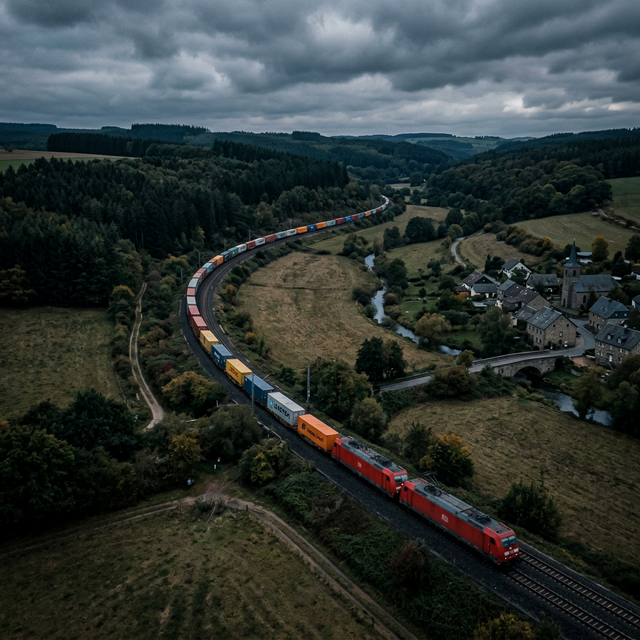
Strengthening the European Rail Network
The European Union Agency for Railways has announced a significant expansion of the Rail ARL Corridors network, reinforcing its commitment to shifting more cargo from road to rail. The initiative aims to create seamless, interoperable rail connections between major European logistics hubs, reducing transit times and environmental impact.
New Corridor Connections
The expanded network includes upgrades to the Rhine–Alpine corridor connecting Rotterdam and Genoa, the North Sea–Baltic corridor linking Germany to the Baltic states, and the Atlantic corridor spanning from Portugal through France. Each corridor will benefit from harmonized signaling systems (ERTMS), upgraded terminals, and standardized gauge compatibility to eliminate bottlenecks at national borders.
Environmental and Economic Benefits
Rail freight produces roughly 75% fewer CO2 emissions per tonne-kilometre compared to road transport. The expansion is projected to shift approximately 30% of long-distance road freight to rail by 2030, contributing significantly to the EU's climate targets. Economic analysis suggests the investment will generate returns of €3 for every €1 invested through reduced congestion, lower emissions, and improved supply chain reliability.
Challenges and Opportunities
Despite the ambitious plans, significant challenges remain. Differences in national rail standards, varying electrification systems, and capacity constraints at key crossborder points continue to impede seamless operations. The agency is working closely with national railway authorities to address these barriers through targeted infrastructure investment and regulatory harmonization.
Impact on ARL Operators
For logistics companies, the expanded corridors offer an opportunity to diversify transport modes and build more resilient supply chains. Multimodal operators that integrate rail into their networks will benefit from lower fuel costs, reduced carbon footprint, and access to dedicated freight paths with guaranteed scheduling.


.avif)