
New Silk Road Strengthens EU-Asia Trade
The China-Europe rail corridor sees record freight volumes as the Belt and Road Initiative accelerates overland trade connections, offering European businesses a faster alternative to maritime shipping for high-value goods.
Rail Bridges Continents
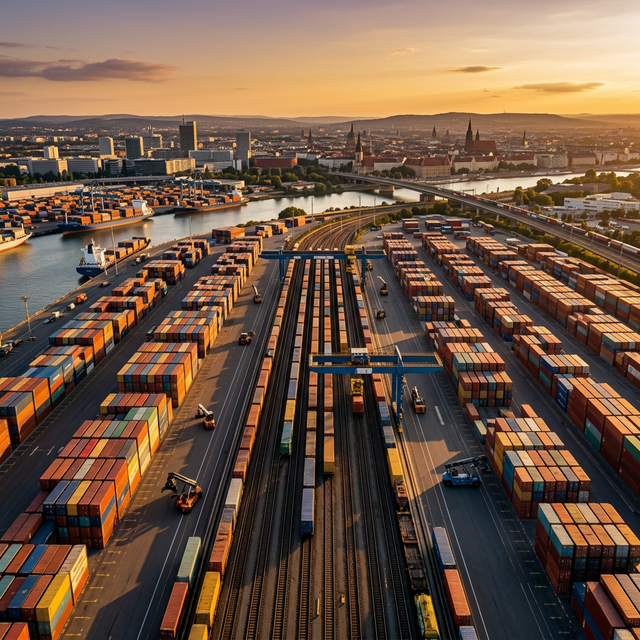
The China-Europe rail freight corridor has achieved record shipping volumes in the first half of 2017, with more than 3,000 train journeys completed between Chinese industrial centers and European destinations. The corridor, which traverses Central Asia and enters Europe through Poland, has reduced transit times from the 30-45 days typical of maritime shipping to approximately 14-18 days, making it an attractive option for time-sensitive, high-value cargo.
Growing Network of Routes
The network has expanded rapidly from a single route linking Chongqing to Duisburg to a web of connections serving dozens of Chinese and European cities. Key European terminals include Duisburg, Hamburg, Madrid, London, and Milan, with new services being added regularly. The diversification of routes provides resilience against disruptions and gives shippers flexibility in choosing the most efficient path for their cargo.
Trade Balance Challenges
One of the corridor's persistent challenges is the trade imbalance between eastbound and westbound traffic. Westbound trains from China to Europe consistently operate at near-full capacity, while eastbound services struggle to fill available slots. European exporters of automotive components, food products, wine, and luxury goods are increasingly using the corridor, but significant subsidies from Chinese provincial governments continue to support the service's competitiveness.
Customs and Regulatory Harmonization
Seamless transit across multiple countries requires extensive customs coordination. The implementation of electronic transit documents, harmonized inspection procedures, and mutual recognition of security standards between China, transit countries, and EU member states has been critical to reducing delays and improving reliability. The EU's customs modernization efforts complement these initiatives by streamlining clearance processes at European entry points.
Strategic Implications for European Logistics
For European logistics operators, the growing China-Europe rail corridor represents both an opportunity and a strategic consideration. Companies that develop expertise in multimodal EU-Asia logistics chains will be well-positioned to capture a growing share of this market, while terminal operators along the corridor stand to benefit from increased throughput and the development of new value-added services.


.avif)