
Green Shipping Targets Set for 2030
The European Union outlines ambitious decarbonization targets for the maritime sector, requiring significant reductions in greenhouse gas emissions from shipping by 2030 as part of the European Green Deal framework.
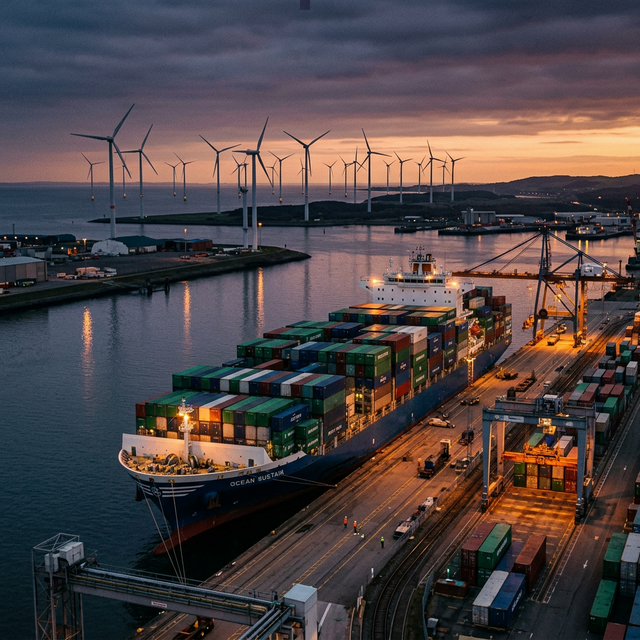
Charting a Greener Course
The European Commission has outlined ambitious emissions reduction targets for the maritime sector as part of its broader strategy to make Europe the first climate-neutral continent by 2050. The proposals require the shipping industry to reduce its greenhouse gas intensity by at least 40% by 2030 compared to 2008 levels, with interim targets for 2025.
Regulatory Framework
The regulatory framework includes the extension of the EU Emissions Trading System to cover maritime transport, mandatory carbon intensity standards for vessels, and incentives for the adoption of alternative fuels including LNG, hydrogen, and ammonia. Port states will be required to provide shore-side electricity to reduce emissions from ships at berth, while dedicated funding will support the development of green shipping corridors between major European ports.
Industry Transformation
The European Community Shipowners' Association (ECSA) acknowledges the need for action on climate change while emphasizing the importance of a level playing field with non-EU shipping nations. Major European shipping lines are already investing in dual-fuel vessels, wind-assisted propulsion systems, and digitalized fleet management to optimize fuel efficiency and reduce emissions across their operations.
Port Infrastructure Investment
European ports are preparing for the transition to green shipping by investing in LNG bunkering facilities, onshore power supply infrastructure, and hydrogen refueling capabilities. The ports of Rotterdam, Hamburg, and Antwerp are leading the way with multi-billion euro investment programs designed to position them as hubs for sustainable maritime logistics in the coming decades.
Commercial Opportunity
For forward-thinking logistics operators, the green shipping transition presents both challenges and opportunities. Companies that proactively adopt cleaner shipping solutions will benefit from increasingly favorable regulatory treatment, growing customer demand for sustainable supply chains, and reduced exposure to carbon pricing mechanisms as they expand across European and global markets.


.avif)