
Cold Chain Logistics Standards Tighten
New EU regulations on temperature-controlled logistics raise the bar for pharmaceutical and food supply chains, requiring continuous monitoring and documentation throughout the cold chain from origin to final delivery.
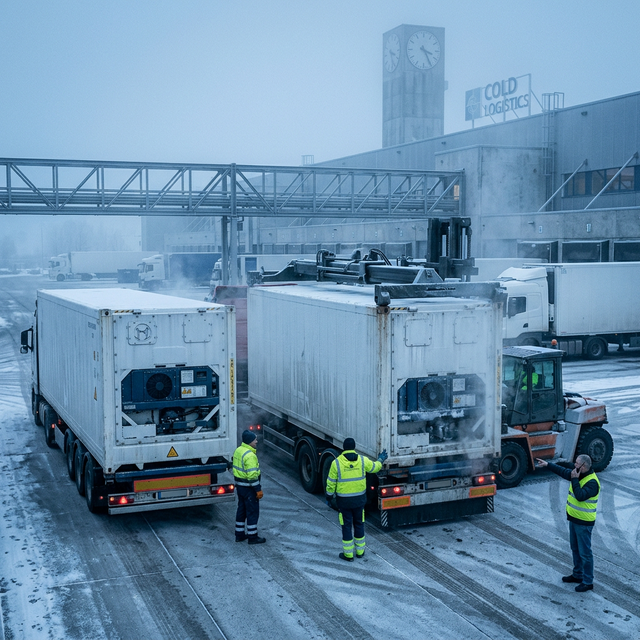
Raising the Bar for Temperature Control
The European Union is implementing stricter regulations governing temperature-controlled logistics for pharmaceuticals, food products, and other sensitive goods. The new standards require continuous temperature monitoring throughout the entire supply chain, from manufacturing or harvest through to final delivery, with mandatory documentation and traceability at every stage.
Pharmaceutical Supply Chain Requirements
For pharmaceutical products, the EU Good Distribution Practice (GDP) guidelines now mandate that all activities involving the distribution of medicines must be subject to documented quality management systems. This includes real-time temperature monitoring in vehicles and warehouses, validated packaging solutions, and automated alerts when temperature excursions occur. The regulations apply to all parties in the distribution chain, from manufacturers to last-mile delivery providers.
Food Safety Implications
In the food sector, updated EU hygiene regulations require enhanced cold chain management for perishable products including fresh produce, dairy, meat, and seafood. The regulations emphasize the Hazard Analysis Critical Control Point (HACCP) principles, requiring operators to identify and control temperature-sensitive points in their logistics processes. Non-compliance can result in product recalls, supply chain disruptions, and significant financial penalties.
Technology Solutions
Meeting the new standards is driving adoption of advanced monitoring technologies, including IoT-enabled temperature sensors, GPS-tracked reefer units, and blockchain-based traceability platforms. These technologies provide end-to-end visibility into cold chain conditions, enabling operators to identify and address issues in real time before product quality is compromised. Data analytics platforms aggregate monitoring data to optimize routes, loading sequences, and storage conditions.
Competitive Advantage Through Compliance
For logistics operators who invest in robust cold chain capabilities, the tightening standards present a competitive opportunity. Companies that demonstrate superior temperature management, comprehensive documentation, and proactive risk management will differentiate themselves in a market where product integrity is increasingly a non-negotiable requirement for shippers and consumers alike.


.avif)